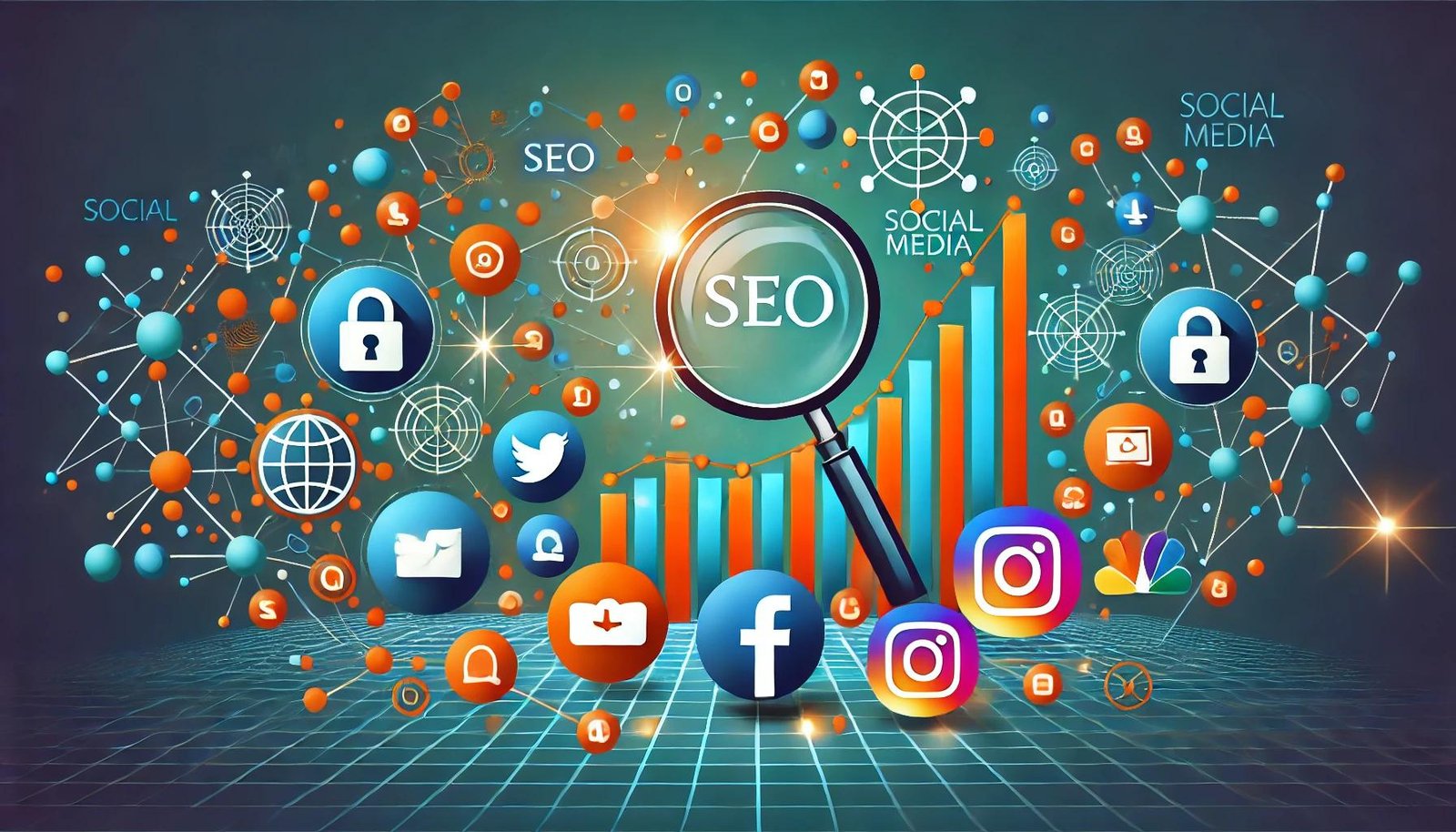
Discover how Social Media SEO is changing digital marketing in 2026 and learn how businesses can use Instagram, short-form video, creators and social search to increase visibility.
Introduction:
For years, businesses treated Google as the place where customers searched for answers. Today, that journey is changing. People are increasingly discovering products, services, brands and recommendations while scrolling through Instagram, TikTok, YouTube and other social platforms. Social media is no longer just a place to build followers. It is becoming a place to search, discover, compare and shop. In India, Meta's 2026 research found that social media plays a major role in retail discovery, while short-form video and creators are influencing how consumers discover products. This is where Social Media SEO enters the picture.
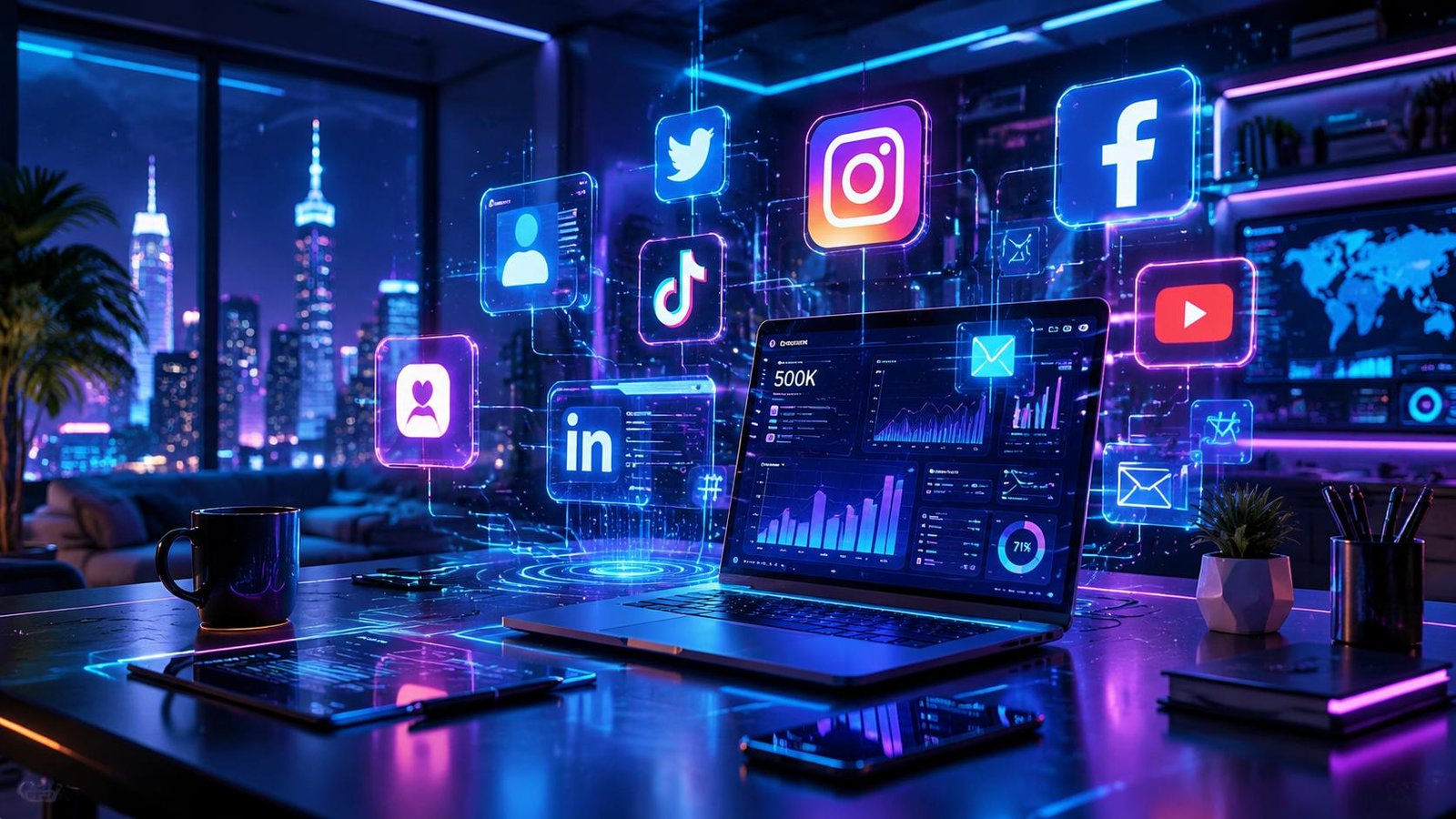
Social Media SEO is the process of optimizing your social profiles and content so they can be discovered through searches on social platforms as well as traditional search engines. Instead of thinking: "How do I get more followers? "businesses should also ask:
"How do I get discovered by people who don't follow me yet?" That difference is huge. Social platforms increasingly work like discovery engines.
USER SEARCH FOR:
The biggest change is that social platforms are becoming interest-based discovery engines.HubSpot's 2026 social media research describes a shift away from purely follower-based distribution toward content discovery based more heavily on relevance and quality.That creates a major opportunity for smaller businesses.You don't necessarily need millions of followers.
You need:
Relevant content + strong optimization + consistent publishing + audience understanding.
Social Search is changing how people discover brands, products, services, and information. Instead of relying only on Google, users increasingly search through platforms like Instagram, YouTube, TikTok, Facebook, and LinkedIn. Social search is driven by visual content, creator recommendations, hashtags, engagement, and authentic experiences.
Traditional Search, mainly through search engines like Google and Bing, focuses on websites, keywords, backlinks, technical SEO, and search intent to provide relevant results.
In simple terms: Traditional search helps people find answers, while social search helps people discover ideas, brands, products, and experiences.
For modern businesses, combining SEO + Social Search Optimization can create stronger visibility across the entire digital journey—from discovery to consideration to conversion.
In 2026, social media is more than a platform for engagement—it’s becoming a powerful search and discovery engine. From optimized profiles and keyword-rich captions to searchable videos, hashtags, and audience-focused content, brands need to make their social presence easier to discover. These 7 Social Media SEO strategies for 2026 will help businesses improve visibility, reach the right audience, strengthen brand authority, and turn social searches into meaningful website traffic and conversions. Create content people want to watch. Optimize it for what they search. Make your brand impossible to miss.
Don't treat your social media captions as simple descriptions. Keywords help platforms understand what your content is about and connect it with relevant searches. Naturally include your primary and secondary keywords in your captions, video titles, descriptions, profile bio, on-screen text, hashtags, and spoken content where appropriate.
For example :
instead of writing: "We're growing brands "use a more descriptive caption such as:" Digital marketing strategies for small businesses in 2026."The second version provides much stronger search context while still sounding natural. Key Takeaway Write for humans first, but make your content easy for search systems to understand.
Your social media profile is more than a digital business card—it can act as a searchable brand asset. Make it immediately clear who you are, what you offer, who you help, and where you operate. Use relevant business and service keywords naturally in your profile name, bio, description, and other available fields.
Example: Vision Core
Digital Marketing Agency
SEO • Social Media • Paid Ads • Branding
Helping businesses build measurable digital growth. A clear and descriptive profile makes it easier for both users and search systems to understand your business. Key TakeawayClear beats clever when it comes to discoverability.
Short-form video has become one of the most important content formats for modern digital marketing. Reels, YouTube Shorts, and similar videos aren't only entertainment—they can also become searchable content assets. Instead of creating random videos, build content around questions and problems your target audience is already searching for.
For example: 1 How much does SEO cost in 2026?SEO vs Google Ads:
2 Which is better?3 Instagram mistakes hurting your reach
3 How to generate leads through social media
Each video addresses a specific search intent while giving your audience a reason to watch, engage, and remember your brand. Key Takeaway Don't just create videos. Create videos that answer real searches.
Followers are valuable—but followers shouldn't be your only measure of success. Someone may discover your Reel today, visit your website next week, and become a customer next month without ever following your account. That's why your social media strategy should focus on the complete customer journey: Reach → Discovery → Engagement → Trust → Conversion Instead of focusing only on: Followers → Likes → Followers → Likes measure metrics that connect social media activity to actual business outcomes, such as website visits, leads, enquiries, conversions, and sales.
Key Takeaway A smaller audience that converts can be more valuable than a large audience that doesn't.
One of the simplest ways to improve social search visibility is to answer the questions your audience is already asking. Build content around formats such as: How to… | Why does… | Best… | X vs Y | Mistakes to avoid… | Step-by-step… | Is it worth it?
For example, the question "What is Social Media SEO?" can become multiple pieces of content:
=> Blog → Instagram Carousel → Reel → YouTube Short → LinkedIn Post → FAQT
This is called content repurposing—one strong idea can create multiple opportunities for discovery across different platforms. Key Takeaway One valuable topic can become an entire content ecosystem.
Social media is increasingly connecting content, discovery, conversation, and purchasing into one customer journey. Instead of simply posting a product and hoping someone buys it, create a path that takes users from:
=> Content → Discovery → Engagement → Conversation → Purchase
For e-commerce brands, social media can therefore function as both a marketing channel and a digital storefront. Product demonstrations, reviews, creator collaborations, educational videos, and user-generated content can all help move potential customers closer to a purchase decision. Key Takeaway Turn social media from a content channel into a complete customer journey.
AI can significantly improve the speed and efficiency of social media marketing. It can help businesses generate content ideas, research keywords, identify trends, repurpose content, create variations, analyze performance, and automate repetitive tasks.
However, using AI doesn't mean your entire brand should sound like AI. Your content still needs:
Personality • Experience • Originality • Human Perspective
As AI-generated content becomes easier to produce, authenticity and a recognizable brand voice can become even more important. Use AI to accelerate your workflow—not to replace your brand's personality. Key Takeaway Let AI improve your process, but let humans define your voice.
Instagram isn't simply a photo-sharing platform anymore. It has become a major discovery environment. For better Instagram SEO, optimize:
Profile :Use relevant business keywords.
Captions :Write naturally around search intent.
Reels :Mention your main topic verbally and visually.
On-screen text :Make the subject immediately clear.
Hashtags :Use relevant, specific terms instead of relying on huge generic hashtag lists.
Engagement :Create content people genuinely want to save, share and discuss.
You don't need a massive marketing budget to start.
A small business can begin with a simple strategy:
Week 1 :Research 20 questions customers ask.
Week 2 :Turn those questions into short videos.
Week 3 :Create carousels and educational posts.
Week 4 :Analyze which topics generated the strongest engagement and inquiries.
Then repeat what works. The goal isn't to post more. The goal is to become more discoverable.
The boundaries between:
1. Search Social
2. Media
3. Content
4. Commerce
5. AI
These are becoming increasingly blurred. A customer might discover a product through a Reel, research it through social comments, ask an AI assistant for recommendations, visit the brand website, and complete the purchase through a messaging platform. That's not a traditional marketing funnel .It's a connected digital journey. And brands that understand this shift will have a major advantage.
Social Media SEO is no longer something businesses can afford to ignore. Google still matters. Traditional SEO still matters. But discovery is expanding. Customers are searching inside social platforms, discovering products through creators, learning through short-form videos and increasingly moving from content directly toward conversation and commerce. The brands that win in 2026 won't simply be the brands with the biggest audiences.
They'll be the brands that are:
1. Easy to discover.
2. Easy to understand.
3. Worth trusting.
4. Easy to remember.
5. Don't just create content.
6. Create content people can find
— The GR Collection