


1. Cost Per Lead
Cost Per Lead, or CPL, tells you how much your business spends to generate a potential customer. For example: ₹40,000 campaign cost ÷ 200 leads = ₹200 per lead This gives marketers a clearer understanding of campaign efficiency. But there's another question: Are those leads actually qualified? A cheap lead isn't necessarily a good lead.

2. Customer Acquisition Cost
Customer Acquisition Cost, commonly called CAC, measures how much it costs to acquire a paying customer. This is one of the most important metrics for growth-focused businesses. If acquiring a customer costs ₹1,000 but that customer generates ₹10,000 in value, the economics may be attractive. If acquiring that same customer costs ₹8,000, the strategy needs deeper evaluation.
3. Conversion Rate
Traffic doesn't automatically create customers. Conversion rate tells you how effectively your website or campaign turns visitors into meaningful actions. Those actions might include: Form submissions Calls Product purchases Bookings Downloads Demo requests Newsletter registrations A website with 5,000 highly relevant visitors and a strong conversion rate can outperform a website with 50,000 irrelevant visitors. Quality beats quantity.
4. Customer Lifetime Value
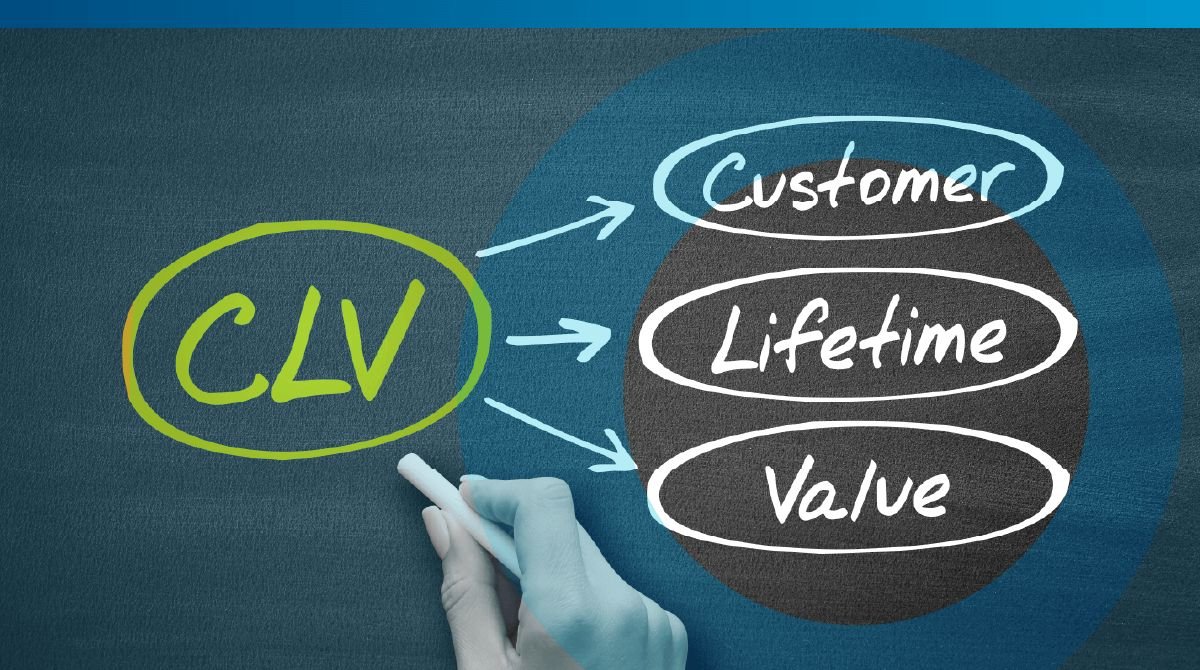
A customer isn't always valuable because of their first purchase. They may buy again. They may upgrade. They may refer another customer. Customer Lifetime Value helps businesses understand the long-term economic value of their customers. This changes how marketing performance is evaluated. Instead of asking: “How much did this customer spend today?” businesses can ask: “How much value could this customer create over time?”
5. Return on Ad Spend
For paid campaigns, Return on Ad Spend (ROAS) is an important performance indicator. It helps businesses understand how much revenue is generated relative to advertising expenditure. For example: ₹1 lakh advertising investment → ₹4 lakh attributed revenue This gives marketers a clearer picture of campaign efficiency. However, ROAS should not be viewed in isolation. A campaign can have strong ROAS while the overall business remains unprofitable because of other costs. That's why Digital Marketing ROI needs a broader business perspective.
6. Organic Traffic That Converts
SEO is often measured through rankings and organic traffic. But traffic alone isn't the final objective. Imagine two websites. Website A 100,000 monthly visitors Low conversion rate Website B 20,000 monthly visitors High-intent visitors Strong conversion rate Website B could potentially generate more business. This is why modern SEO should focus on: Relevant Visibility → Search Intent → User Experience → Conversion Not simply: More Traffic = Better SEO
The old approach was: Traffic → Leads → Sales The modern approach is more connected:
Attention → Interest → Trust → Intent → Conversion → Retention → Advocacy Every stage matters. Your social media may create attention.Your content may create interest.Your website may establish trust.SEO may capture intent.Your sales process may create conversion.Customer experience may create retention.And satisfied customers can create advocacy.That's why digital marketing shouldn't be treated as separate channels operating independently.
Instead of tracking dozens of disconnected metrics, create a simple performance framework.
Awareness Track: Reach Impressions Brand searches Organic visibility
Engagement Track: Engagement rate Content interactions Video completion Returning visitors
Consideration Track: Website visits Product/service page views Time spent Enquiries Downloads
Conversion Track: Leads Sales Conversion rate Customer acquisition cost
Growth Track: Revenue Customer lifetime value Retention Repeat purchases Marketing
ROI Now marketing becomes easier to understand. You aren't simply reporting activity. You're reporting business movement.
Successful brands aren't asking:“What should we post this week?”They're asking:“What business problem are we solving?”That small change creates a completely different marketing strategy.If the problem is:Low brand awareness→ Focus on visibility and content.If the problem is:High traffic but low leads→ Improve conversion strategy.If the problem is:Expensive customer acquisition→ Improve targeting and channel efficiency.If the problem is:Low customer retention→ Improve customer experience and lifecycle marketing.Marketing becomes a business system rather than a collection of random activities.
The future of digital marketing isn't about who gets the most clicks.It's about who creates the most meaningful business impact.
More traffic is good.Better traffic is better.More leads are good. Better-qualified leads are better.
And ultimately: More marketing activity isn't the goal.
More business growth is. At Vision Core Digital, we believe digital marketing should do more than make a brand look active online.It should create visibility, credibility, qualified opportunities and measurable growth.Because the real question isn't:“How much marketing are we doing?” It's: “What is our marketing actually doing for the business?
”VISION CORE DIGITAL"
Smart Strategy. Digital Growth. Measurable Impact.