The traditional customer journey used to look relatively simple:Search → Website → Product → PurchaseToday, the journey can look more like:Social Media → Search → AI → Reviews → Video → Website → Community → PurchaseConsumers can discover a brand through an Instagram Reel, research it through Google, ask an AI platform about it, watch a YouTube review, check customer feedback and then visit the company's website.This means brands need a connected digital marketing strategy rather than isolated campaigns.
INTRODUCTION : Online Business Strategies. The digital marketing industry has never stood still. What worked two years ago may already be outdated. Search is becoming more conversational. Social platforms are becoming discovery engines. Artificial intelligence is transforming marketing workflows. Short-form video continues to dominate attention, while customers increasingly expect brands to provide personalized and useful experiences. For businesses, this creates both a challenge and an opportunity.
The challenge?
Keeping up.
The opportunity?
Getting ahead.
In 2026, successful digital marketing isn't simply about being present online. It's about understanding how people discover, evaluate and interact with brands. From AI-powered search to social commerce, here are the major digital marketing trends 2026 that businesses should be watching.
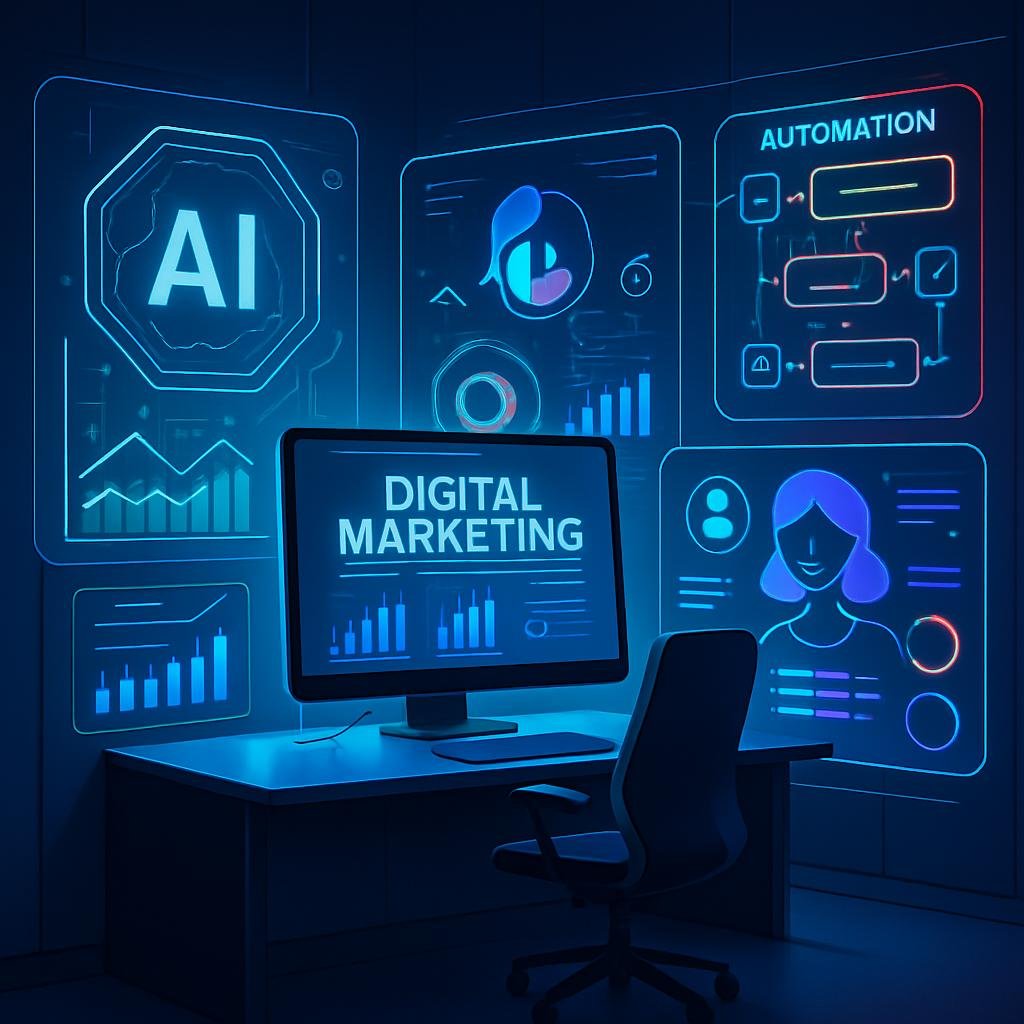
Artificial intelligence is no longer simply an experimental technology. Businesses are integrating AI across content research, data analysis, customer segmentation, campaign optimization, personalization, chatbots, email automation, advertising, predictive insights, and customer support. However, using AI alone is not a marketing strategy—knowing where AI creates real value is. The strongest marketing teams will combine AI's speed and efficiency with human creativity, strategic thinking, judgment, and a deep understanding of the brand and its audience. AI drives efficiency; humans drive strategy.
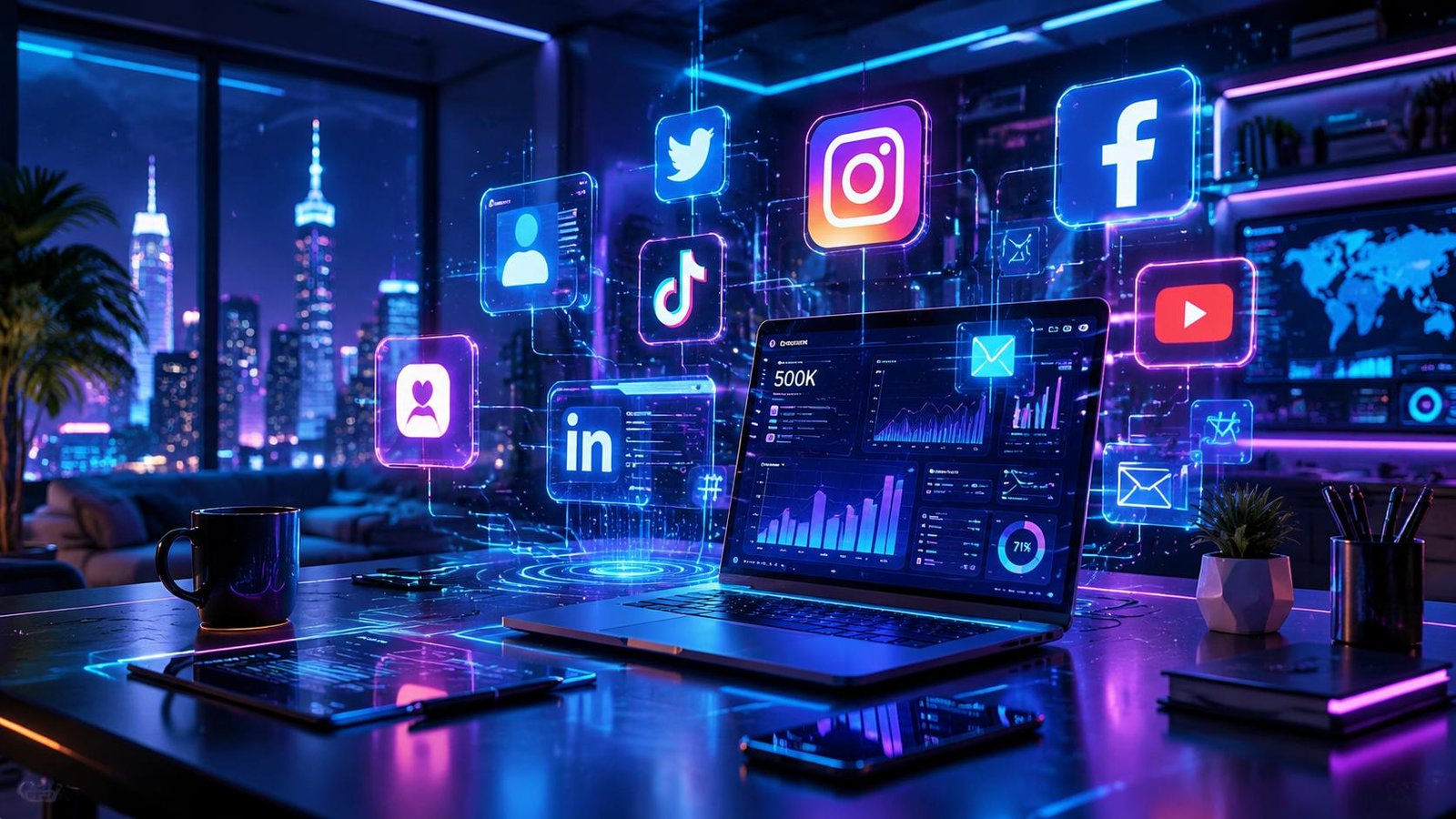
ocial media is no longer only about gaining followers and generating engagement. Platforms such as Instagram, TikTok, YouTube, Facebook, and LinkedIn are increasingly being used to discover products, services, brands, tutorials, reviews, trends, and recommendations. This makes social media SEO an important part of modern digital marketing. Businesses should optimize their profile names, bios, captions, video titles, descriptions, on-screen text, spoken content, and relevant hashtags. The objective is simple: don't just publish content—make it discoverable.
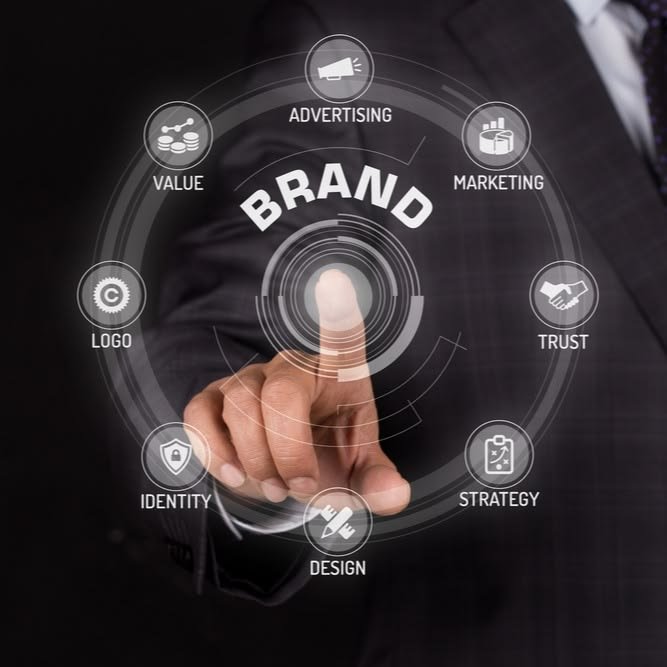
A strong digital presence is about much more than attractive graphics or a modern website. It is about building credibility across every customer touchpoint. Before contacting a business, potential customers may visit its website, check social media, search its brand name, read reviews, explore LinkedIn, consume its content, and compare it with competitors. Every interaction influences how the brand is perceived. Therefore, businesses need consistency across their website, social media, search presence, reviews, visual identity, content, and customer communication. Your brand reputation continues to develop even when you are not actively running a campaign.
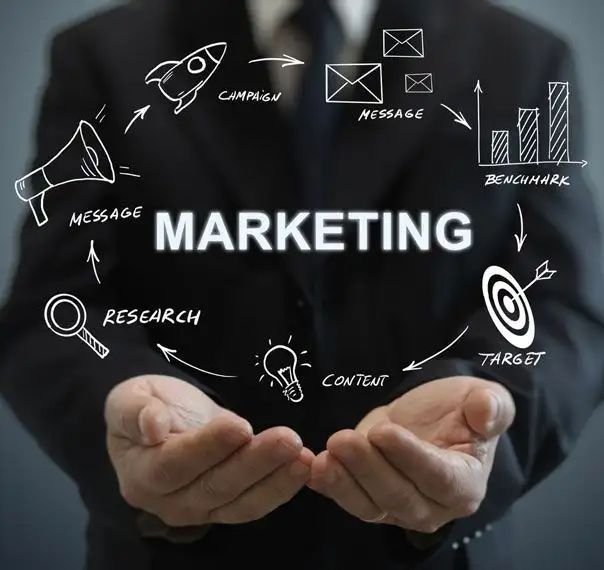
Following trends isn't enough. Businesses need to decide which trends actually matter to their audience and objectives. Start with these five steps.
Step 1: Understand Your Audience Identify: Who are they? What do they search? What problems do they have? Which platforms do they use? What influences their decisions?
Step 2: Audit Your Current Marketing Look at: SEO Website Social media Content Advertising Email Conversion rates Find what's working. Then identify what's missing.
Step 3: Prioritize Don't try to implement everything simultaneously. Choose two or three areas that can create the biggest business impact.
Step 4: Test and Measure Use measurable objectives. Track: Traffic Leads Engagement Conversion rate Customer acquisition cost Revenue ROI
Step 5: Keep Improving Digital marketing isn't a one-time project. It's an ongoing process of: Test → Learn → Optimize → Scale
The next stage of digital marketing will be defined by intelligence, relevance and trust.AI will make marketing faster.Search will become more conversational.Social platforms will become stronger discovery engines.Video will continue capturing attention.First-party data will become increasingly valuable.And customers will continue demanding better experiences.But technology alone won't create successful brands.The companies that stand out will be the ones that understand something technology cannot fully automate:People.Their motivations.Their frustrations.Their needs.Their expectations.And their reasons for choosing one brand over another.
The biggest digital marketing trends 2026 aren't simply about new tools.They're about a fundamental change in how businesses connect with customers.The future belongs to brands that can combine:AI + SEO + Social Media + Content + Video + Data + Human CreativityDon't chase every trend.Understand your audience.Choose the technologies that genuinely improve their experience.Create content that deserves attention.Build a brand people can trust.And measure marketing by business outcomes—not vanity metrics.Because at the end of the day, the best digital marketing strategy isn't the one that looks impressive in a presentation.